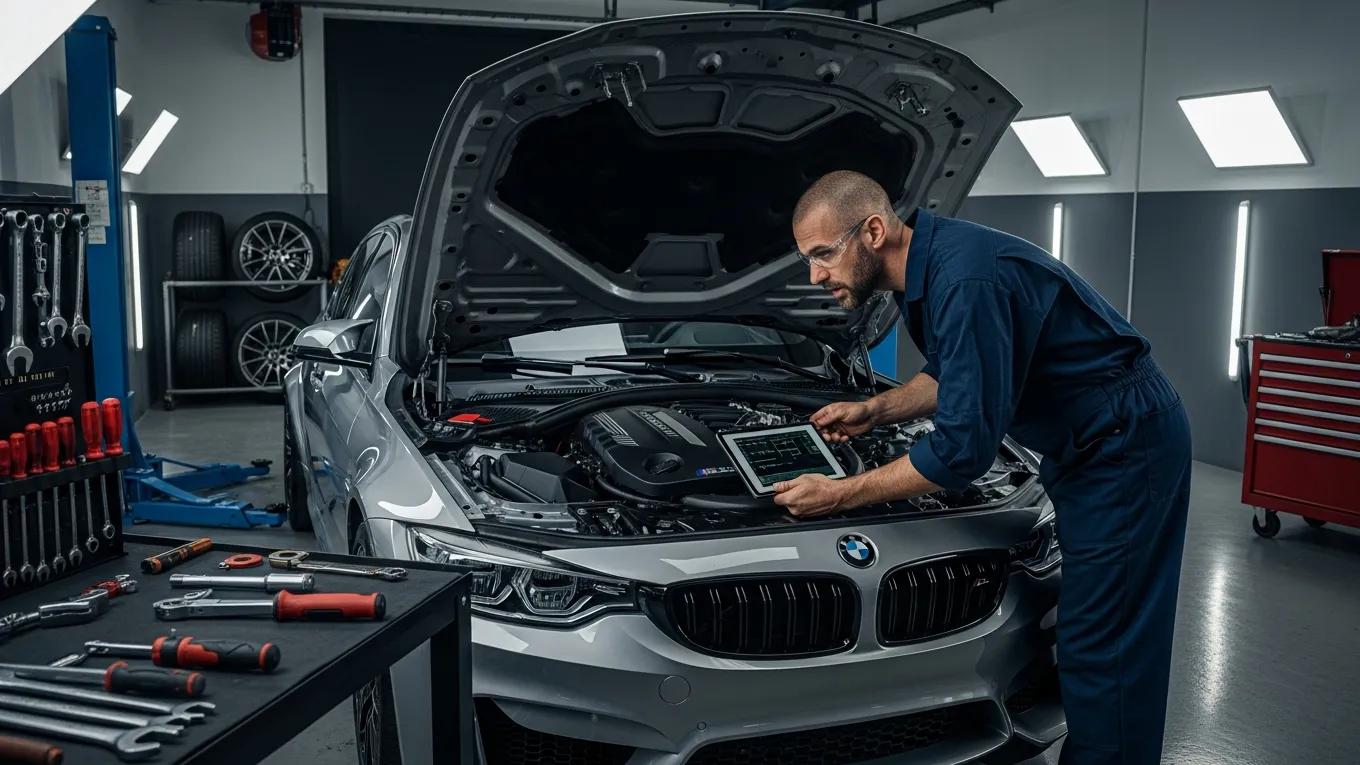
Owning a BMW means spotting warning signs early to protect performance and longevity. This guide explains the indicators—from dashboard lights to unusual noises—so you can act before small faults become costly repairs. We cover the top symptoms, common warning-light meanings, how to interpret signals, and when to book professional diagnostics and routine maintenance.
Spotting problems early limits damage. Key signs that need immediate attention include the items listed below.
A flashing check engine light signals a likely misfire and a serious risk to the engine. Pull over safely and arrange professional diagnostics immediately. Continuing to drive risks extensive engine damage and higher repair costs.
Sudden power loss can come from fuel delivery faults, ignition problems, or transmission issues. If your BMW hesitates, stalls, or can't maintain speed, have a qualified technician inspect it to identify the root cause.
Exhaust smoke colour points to different faults: blue smoke usually means oil is burning, while white smoke can indicate coolant entering the combustion chamber. Both conditions require prompt inspection to prevent further engine damage.
Knocking or tapping often indicates internal wear or inadequate lubrication. These sounds can precede major failure; schedule an immediate evaluation with a professional mechanic to diagnose and repair the issue.
Strong vibrations can signal tyre imbalance, suspension defects, or drivetrain faults. They affect handling and safety. Have a technician diagnose and repair the source before driving long distances.
Engine overheating is an urgent fault. If the temperature gauge rises above normal, stop driving and let the engine cool. Common causes include coolant leaks, a faulty thermostat, or a failing water pump. Prompt attention prevents catastrophic engine failure.
Oil stains under the vehicle suggest seals or gaskets have failed. Low oil levels accelerate engine wear. If you spot leaks where you park, arrange an inspection to locate and repair the source.
The battery warning light indicates a problem with the charging system or the battery itself. If it illuminates, have the charging system checked to avoid a breakdown or starting failures.
A drivetrain malfunction light can signal transmission or related component issues. Seek professional diagnostics promptly to prevent further damage and ensure the vehicle remains safe to operate.
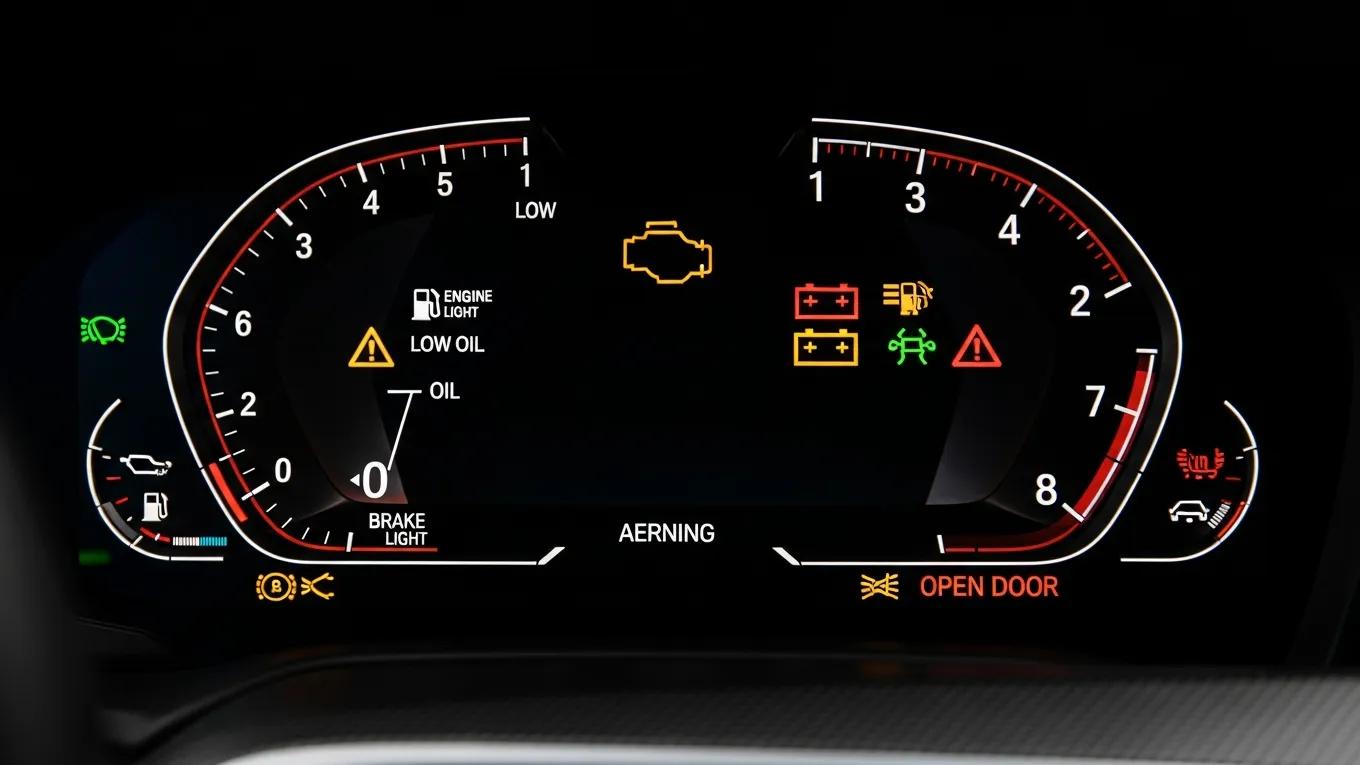
Knowing your dashboard lights helps you act quickly. Common lights include the check engine, battery, oil pressure, temperature, and TPMS — each points to a specific system that may need inspection or service.
Dashboard lights indicate the affected system and urgency. Yellow or amber lights are cautionary; red lights require immediate action. Monitor these lights regularly and respond according to the level of urgency to limit damage.
A study highlights the importance of driver familiarity and comprehension of dashboard symbols in ensuring timely maintenance.
Driver Comprehension of Dashboard Warning Lights and Vehicle Maintenance
Dashboard indicator light symbols communicate vehicle status and operational information. Drivers' responses depend on their familiarity with and understanding of the symbols, as well as demographic factors. This study evaluates drivers' comprehension of dashboard symbols and how that comprehension influences adherence to preventive maintenance.Comprehensibility and impact of vehicle dashboard indicator light symbols on drivers' preventive maintenance compliance, C Atombo, 2025
Some dashboard lights require immediate repair. Watch for these critical indicators:
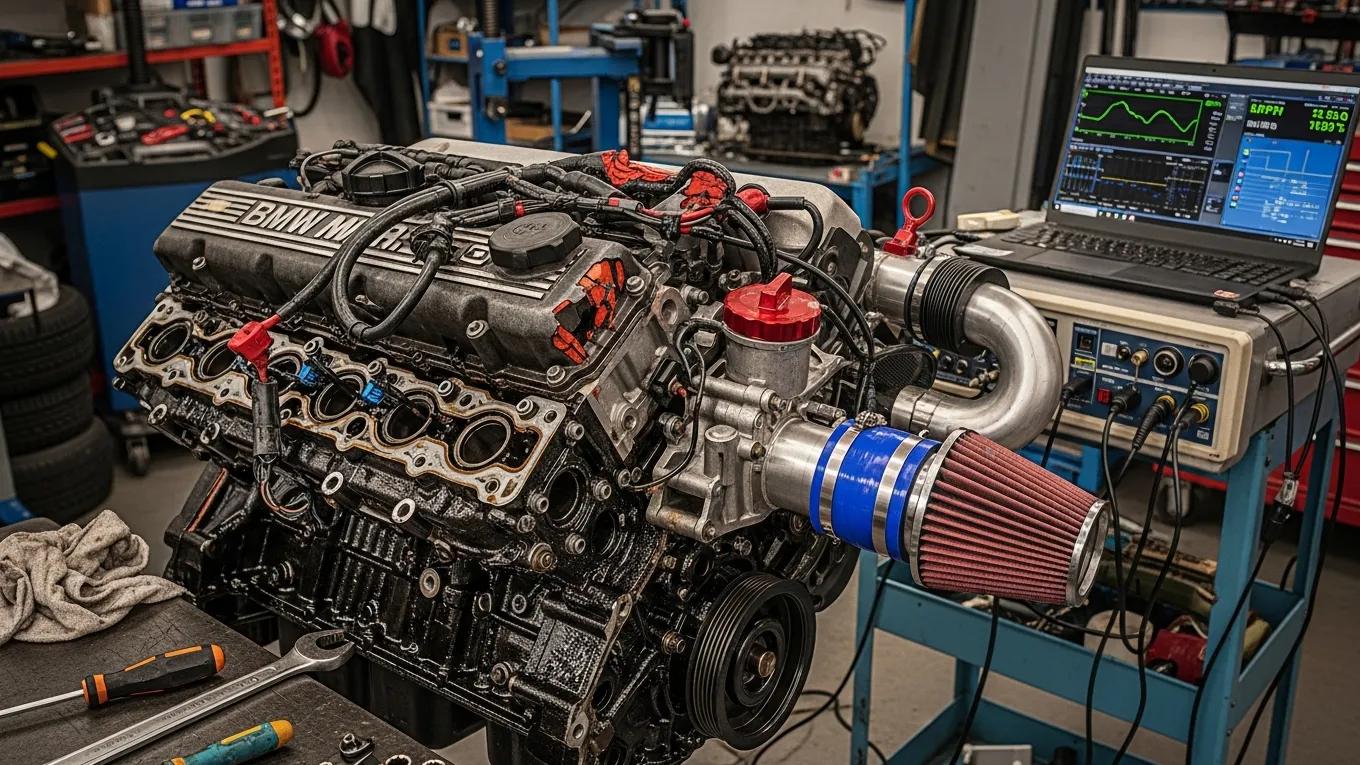
Recognising engine trouble early lets you act before failures occur. Common symptoms include unusual noises, a persistent or flashing check engine light, and noticeable loss of power or acceleration.
Listen for new noises, track performance changes, and watch warning lights. Early detection narrows the repair scope and reduces cost.
If you notice any of these signs, book a professional diagnosis. A qualified technician will perform a thorough inspection, identify root causes, and recommend the repairs needed to keep your BMW running reliably.
Following BMW's maintenance schedule preserves reliability and performance. Routine service reduces the chance of urgent repairs and keeps systems operating as the manufacturer intended.
BMW specifies service intervals by mileage and time. Regular oil changes, brake inspections, and fluid checks are essential. Sticking to these intervals helps prevent unexpected repairs and maintains performance.
Skipping scheduled maintenance increases wear and the likelihood of urgent, costly repairs. Routine service extends vehicle life, improves safety, and maintains performance.
Diagnosing BMW faults requires a methodical approach. Note symptoms—warning lights, noises, or performance loss—and document when they occur. If you're unsure, consult a professional technician for a full diagnostic. For expert BMW diagnostics and repairs, consider a specialized service center.
Technicians use advanced diagnostic tools and techniques to locate faults, including OBD-II scanners for trouble codes, visual inspections to spot leaks or worn parts, and road tests to evaluate performance and handling.
Solo Motorsports Milton focuses on BMW and other European luxury vehicles. Their technicians are trained and equipped to diagnose complex systems and perform precise repairs. They prioritise quality workmanship so your BMW receives factory-level attention.
Repair costs vary by fault, parts required, and labour time. Obtain a professional estimate for accurate budgeting. When booking BMW repair services in Milton, GA, understand the shop's appointment process to streamline your visit.
Cost estimates depend on severity. A flashing check engine light can be a minor or major issue; severe overheating typically requires extensive work. A technician can provide a clear estimate after inspection.
To schedule service, contact a qualified shop such as Solo Motorsports Milton and describe the symptoms and any warning lights. The technician will advise next steps and available appointment times.
If the check engine light is flashing, pull over safely and turn off the engine. Driving on risks major engine damage. Arrange professional diagnostics immediately to identify and repair the underlying issue.
Signs you may need a coolant flush include repeated overheating, a sweet smell from the engine bay, or discoloured coolant. Have the cooling system inspected—regular flushes prevent corrosion and help maintain proper engine temperature.
Following BMW's maintenance schedule preserves longevity and performance. Regular service catches issues early, reduces unexpected repairs, can improve fuel efficiency, and helps maintain warranty and resale value.
Check oil at least once a month or before long trips. Regular checks confirm proper lubrication and reveal leaks early. If oil level drops or you find evidence of leaks, address the issue promptly to avoid engine damage.
If your BMW vibrates while driving, it may indicate problems with the tires, suspension, or drivetrain. Have a qualified technician inspect it as soon as possible. Early diagnosis prevents further damage and restores smooth handling.
Yes. Red warning lights—such as oil pressure or temperature warnings—indicate critical issues that need immediate attention. A flashing check engine light also signals a serious engine problem. Stop driving and seek professional assistance.
Technicians commonly use OBD-II scanners to read fault codes, visual inspections to locate leaks or worn components, and road tests to reproduce and assess symptoms. These tools help accurately diagnose issues and guide repairs.
Recognising immediate repair signs keeps your BMW reliable and safe. Act quickly on warning lights or new symptoms to avoid costly repairs. Schedule a professional inspection and consider Solo Motorsports Milton for expert care that protects your vehicle's performance and value.


%402x.svg)


